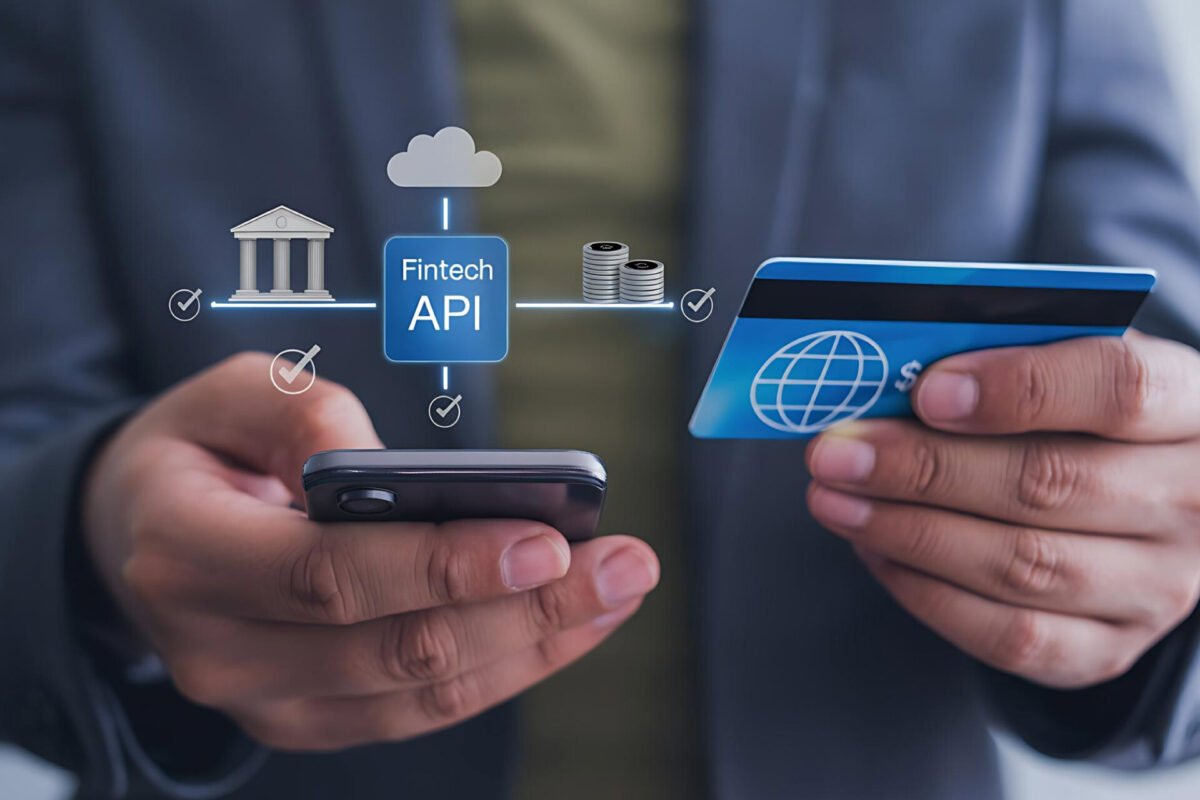

Peer-to-peer lending has revolutionized the financial landscape by being a direct link between the borrower and the investor. Initially, it was a new financing structure, but it has since become a complex fintech-based sector with the help of AI, predictive analytics, blockchain, and compliance automation.
The growth of demand for more speedy and convenient credit everywhere is driving fintech companies to enhance the security, transparency, and efficiency of P2P credit systems. Convenience is no longer the only thing that modern platforms are about. They are changing the way risk management is done and creating a safer, data-driven lending environment for both the borrower and investor.
Table of Contents
1. The Evolution of P2P Lending Through Fintech Innovation
1.1 How Digital Lending Platforms Are Replacing Traditional Intermediaries?
1.2 AI, Alternative Data, and Smarter Credit Assessment
1.3 International Examples of Fintech-Driven P2P Lending Success
2. Risk Management in P2P Lending Using Fintech
2.1 AI Fraud Detection and Real-time Borrower Verification
2.2 Blockchain, Smart Contracts, and Data Transparency
2.3 Regulatory Technology and Compliance Monitoring
3. Smart Lending Platforms Creating Safer Peer-to-Peer Loans
3.1 Predictive Analytics and Personalized Lending Decisions
3.2 Diversification Models and Investor Protection Mechanisms
3.3 The Future of Automated and Embedded P2P Finance
Conclusion
1. The Evolution of P2P Lending Through Fintech Innovation
1.1 How Digital Lending Platforms Are Replacing Traditional Intermediaries?
The landscape of consumer and small business loans has been revolutionized by fintech innovation. Conventional banking networks tend to be time-consuming, have strict credit assessment protocols, and require a lot of administrative overhead. Peer-to-peer lending platforms have challenged this arrangement by enabling direct connections between borrowers and investors through digital platforms and by minimizing the operational hassle.
Platforms such as LendingClub in the United States and Funding Circle in the United Kingdom have shown the potential of technology-based marketplaces to make lending more accessible to underbanked consumers and small businesses. They rely on cloud-based systems, digital onboarding processes, and automated underwriting frameworks to speed up approval processes and minimize reliance on traditional banking middlemen.
The digitalization of lending has also boosted financial inclusion. Those who found it difficult to qualify for a loan because they had poor credit or little to no banking history have been able to get credit through alternative fintech networks. Investors can also diversify their portfolios and enjoy the ability to access nontraditional asset classes while enjoying scalable digital management solutions.
1.2 AI, Alternative Data, and Smarter Credit Assessment
The modernization of P2P lending risk assessment is at the heart of artificial intelligence. Traditional credit rating systems often focus on limited financial data and fail to capture new borrowers’ potential. As more and more alternative data sources are adopted, fintech platforms are enhancing their ability to evaluate credit with greater accuracy, such as transaction behavior information, employment trends, utility payments and digital spending patterns.
Machine learning systems constantly review the borrower’s actions to forecast the likelihood of repayment and also find possible warning signals before defaults. This is a dynamic approach that not only helps to make more precise decisions but also decreases the dependence on static historical credit records.
Companies such as Zopa in the United Kingdom have used AI-powered underwriting systems to enhance borrower segmentation and improve lending results. These advanced algorithms allow lenders to offer more tailored loan structures with improved portfolio quality in different economic conditions.
1.3 International Examples of Fintech-Driven P2P Lending Success
Several international fintech markets illustrate the growing sophistication of modern peer-to-peer lending ecosystems. In the United Kingdom, Funding Circle has made billions of pounds available to small businesses while implementing automated risk assessment software to make the lending process more transparent.
In Europe, Mintos has been able to grow beyond national borders, offering diversified lending marketplaces, automated investment tools and portfolio management systems. The Prosper Marketplace in the United States has bolstered investor confidence with its advanced borrower analytics and improved compliance monitoring.
These are just a few examples of how fintech companies are making P2P lending more than a viable financial option and into a more sophisticated and technologically advanced investment option that can meet the needs of both consumers and businesses for large-scale loans.
2. Risk Management in P2P Lending Using Fintech
2.1 AI Fraud Detection and Real-time Borrower Verification
Prevention of fraud is one of the most important concerns for digital lending ecosystems. AI and biometric verification systems are becoming more common on fintech platforms to identify suspicious activity and bolster borrower authentication procedures.
Machine learning systems can detect transactional anomalies, inconsistencies in identities, device behavior, and behavioral biometrics in real-time. With these capabilities, lending platforms can detect and prevent fraud before a loan is disbursed. Real-time verification tools also cut down on the time required to onboard a new player and boost efficiency.
To enhance digital trust, companies in North America and Europe are now weaving facial recognition, document authentication and multi-factor identity verification into their lending processes. Automated fraud detection systems learn from new and emerging fraud trends, allowing platforms to stay one step ahead of increasingly complex financial fraud.
2.2 Blockchain, Smart Contracts, and Data Transparency
The P2P lending space is gaining more transparency and a sense of integrity through blockchain technology. Distributed ledger systems provide immutable transaction records, which limit the scope for data manipulation and allow investors to have more transparency in the lending process.
Smart contracts also improve automation by automating lending agreements with pre-programmed conditions to ensure that they are executed as necessary. Programmable blockchain protocols can automate repayment schedules, interest calculations, and collateral triggers.
Fintech companies that are trying out the decentralized finance frameworks are leveraging blockchain to build investor confidence and cut down on administrative costs. The digital ledgers are also more transparent, making it easier to track and resolve disputes.
In Europe, several fintech startups are experimenting with blockchain-based lending solutions that integrate security and digital asset management. As regulatory structures evolve, blockchain is likely to have a significant impact on improving long-term trust in the peer-to-peer lending sector.
2.3 Regulatory Technology and Compliance Monitoring
In the current regulatory era, where governments are stepping up their scrutiny of digital financial ecosystems, regulatory technology, or RegTech, is gaining in significance. P2P lending platforms need to deal with many anti-money laundering regulations, know your customer laws, data privacy rules, and investor protection laws in various jurisdictions. Fintech firms are responding by integrating automated compliance monitoring systems capable of continuously tracking regulatory obligations in real time. These systems minimize human error, enhance reporting accuracy and consistency and provide operational efficiency.
Automated compliance platforms can also more effectively identify suspicious transactions, monitor risk exposure, and provide audit trails. For fintech lenders in highly regulated markets like the United Kingdom and European Union, RegTech solutions are becoming a critical component of their operational infrastructure to achieve scalability and regulatory resilience.
AI’s integration with compliance technologies is likely to further enhance governance frameworks and improve flexible monitoring of compliance regulations in increasingly complex financial environments.
3. Smart Lending Platforms Creating Safer Peer-to-Peer Loans
3.1 Predictive Analytics and Personalized Lending Decisions
Predictive analytics is playing a major role in enhancing lending accuracy in the fintech ecosystem. Lending platforms can better predict borrower repayment capacity from the analysis of large datasets and behavioral trends, and adjust lending structures accordingly.
This customization allows fintech to design dynamic interest rates, flexible repayment plans, and customized risk profiles based on the borrower’s behavior instead of making a general assumption. Predictive systems can also be used to spot early warning signs of financial trouble, preventing defaults from getting out of hand. With the evolution of data intelligence solutions, personalized lending models are becoming increasingly complex and commercially viable.
3.2 Diversification Models and Investor Protection Mechanisms
Modern P2P lending websites are incorporating automated diversification features to limit the concentrated credit risk for the investors. Algorithmic portfolio allocation systems allow investors to spread out their investment across various loans, sectors, and borrowers.
A few platforms also have reserves and safeguards to offset a portion of the losses experienced in the event of a borrower default. Automated portfolio balancing tools also optimize investment distribution according to the shifting market conditions and risk tolerance preferences. The investor protection measures are contributing to a more robust institutional standing and driving greater investor engagement in digital lending.
3.3 The Future of Automated and Embedded P2P Finance
Embedded finance and more and more independent lending facilities will probably define the future of peer-to-peer lending. Fintech services are becoming a part of digital commerce platforms, payment apps, and business management software. AI will further automate underwriting, compliance oversight, and portfolio optimization, while enhancing global lending networks.
Embedded lending models can also help bring financing to small businesses and consumers who have not been able to access conventional banking systems. With the growing integration of automation and financial intelligence, P2P lending platforms are likely to be faster, safer, and much more flexible in adapting to economic shifts.
Conclusion
In the digital financial landscape, the innovation of fintech is transforming the concept of peer-to-peer lending in ways that enhance transparency, security, efficiency, and accessibility. AI, predictive analytics, blockchain and regulatory technology are contributing to better, smarter credit assessment and more sophisticated risk management protocols.
Although regulatory and cybersecurity issues persist, today’s fintech platforms are helping to make the borrowing and investing process safer. In an era where embedded finance and automation are shaping the future of the financial landscape, P2P lending is poised to be a more intelligent and robust part of the global market.
Stay Ahead of the Financial Curve with Our Latest Fintech News Updates!