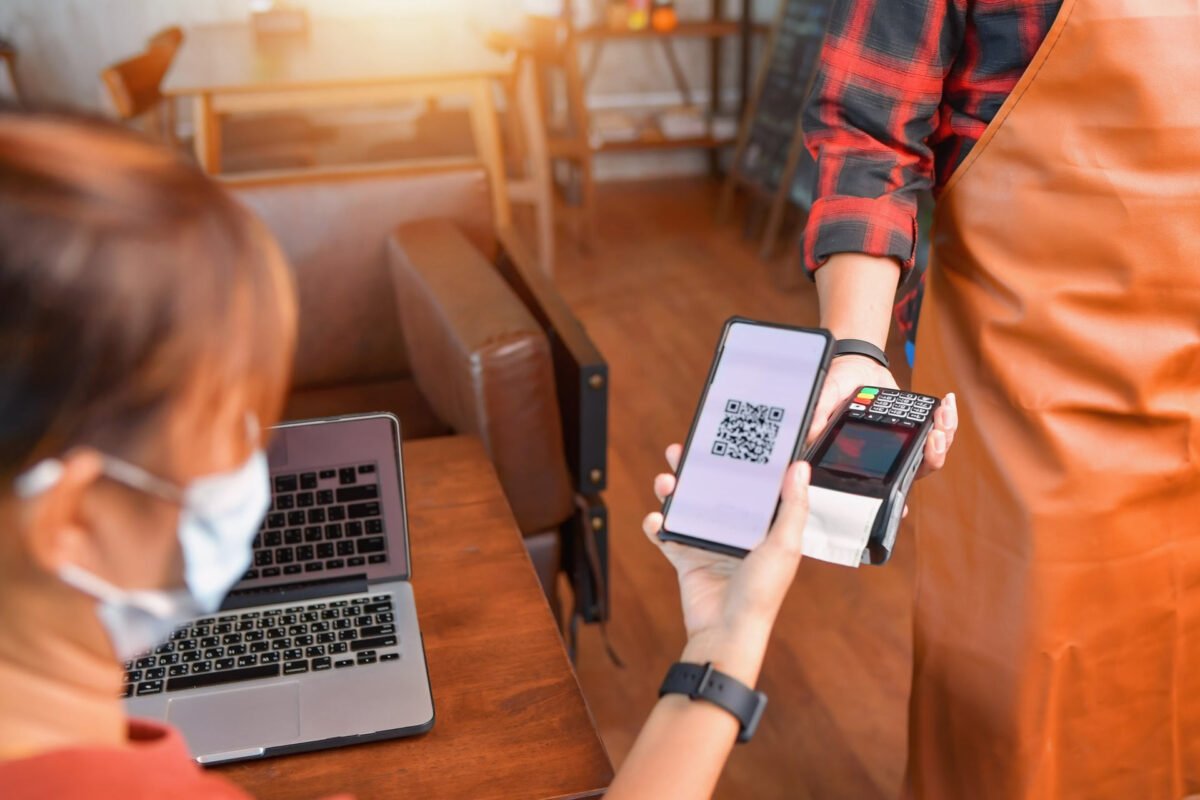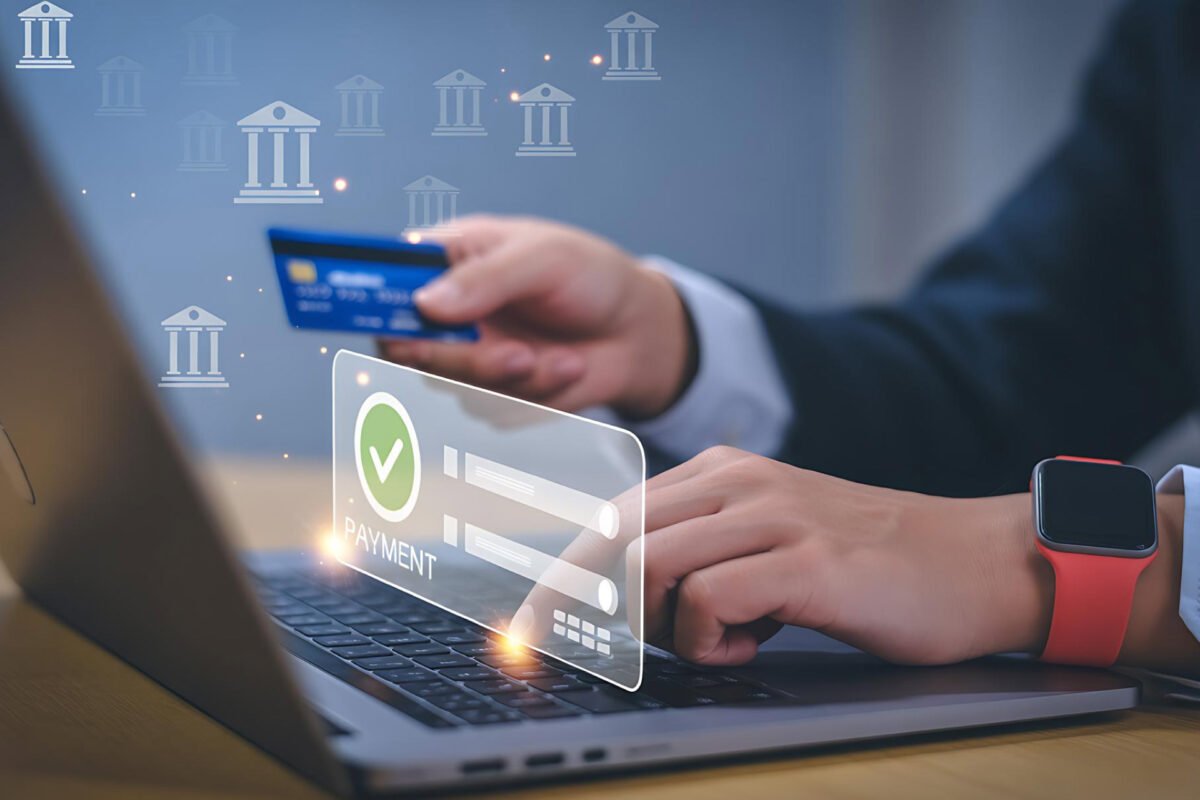

Why are super-apps transforming financial services, you ask? Let us be obliged to answer that. Super apps function as complete financial systems that provide users around the globe with their complete financial needs. The system combines banking services with payment solutions and investment options into one unified platform. The system improves efficiency by breaking down organizational barriers, which leads to better user experiences. Super-apps stand as the highest point of digital integration because modern users require immediate and smooth financial transactions.
Table of Content:
1. What’s So Super About Super Apps?
2. Why Super-Apps Are Transforming Financial Services
3. Acing the Strategy for Integrated Banking and Payments System
4. Takeaway From Trials
Arrivederci! Traditional Banking Applications?
1. What’s So Super About Super Apps?
You can really get it all with a Super App. Where banking apps are just checking balances or doing transfers, super apps actually integrate finance into the fabric of everyday life. You can fetch a ride, order food, shop online, pay bills, invest in stocks, apply for a microloan, and even get insurance. Its ecosystem is powered by APIs and open banking protocols. As per Bain & Company, the end-to-end financial operating systems they provide mean no more logins, no more abandonment, and up to 70% less. Its key enablers are AI-based personalization and real-time data analytics. Machine learning algorithms identify spending patterns and suggest financial products accordingly, turning dormant users into active customers.
2. Why Super-Apps Are Transforming Financial Services
Traditional banks, burdened by legacy systems, struggle against nimble super-apps. Incumbents like JPMorgan Chase use apps like Chase Pay but lag in ecosystem breadth. Super-apps disrupt by owning the moment of truth that very instant when a user needs immediate dollars.
Super-apps deliver lending and insurance services directly to users. Users can purchase travel insurance or use their financing options for phone purchases through ride booking partnerships. The regulatory environment currently supports the ongoing transformation. Asian governments use super-apps as a means to develop digital economies, while WeChat Pay in China handles $17 trillion in annual transactions. The Wallet app from Apple develops into a super-app through its tap-to-pay feature and stock handling and peer-to-peer payment functions. The process of transformation faces significant obstacles. Meta incurred $1.2 billion in costs for violating GDPR regulations, which led to major data privacy issues. Super-apps use zero-knowledge proofs together with federated learning technology to provide users with useful services while establishing their trustworthiness.
3. Acing the Strategy for Integrated Banking and Payments System
Banks that want to operate in this market segment must create a super-app framework that combines their banking services with payment processing systems. The achievement requires controlled development that integrates technology alliances with design breakthroughs and operational growth.
An organization establishes its main strategic foundations through these elements.
- Banks should utilize BaaS partnerships to create their payment systems, which they can implement through their fintech collaborations with providers like Stripe and Marqeta
- The creation of Alipay mini-apps requires a user-focused design that builds system architectures that permit third parties to add elements without needing to download anything, while Nubank achieved 100 million users through its development approach, which applied multiple resources to its neobank foundation
- Ecosystem flywheels generate revenue through multiple channels, which include merchant fees (2-3%), premium subscriptions, and targeted ads. Ant Group’s business model reaches a 50% margin through its cross-selling strategy
Organizations should implement AI and blockchain technology through their AI systems, which use chatbots to process 80% of customer inquiries according to Gartner, and their blockchain systems
The process establishes three interconnected flywheels, which use user activity to produce data insights and create new revenue streams. The process faces two main challenges because standard interoperability systems fail to keep up with fast technology changes while authorities increase their investigations into market competition (for example, EU investigations into Big Tech super-apps). Banks aiming to succeed must implement flexible governance systems together with ethical artificial intelligence solutions, which help them overcome obstacles to their operations.
4. Takeaway From Trials
These global super-apps illustrate proven paths to dominance, blending lifestyle services with finance. By examining their strategies, banks can extract replicable blueprints.
| Platform | Key Features & Scale | Financial Impact | Key Lesson |
| WeChat (Tencent) | OG super-app for 1.3B users; WeBank offers deposits, loans, wealth management and processes 20% of China’s digital payments | Ecosystem lock-in boosts retention | Social features drive user stickiness |
| Grab | Southeast Asia’s everything app; integrates ride-hailing with GrabPay & GrabFinance | Disbursed $2B loans in 2025; defaults <2% via ride data analytics | Leverage non-financial data for credit scoring |
| Rappi (Latin America) | Evolves from grocery delivery to banking via RappiBank; serves 10M users with end-to-end financial operating systems | Cuts remittance fees by 60% | Hyper-localization wins in fragmented markets |
These models underscore universal truths: prioritize data synergy, localization, and retention. Banks embracing them will thrive in the super-app era.
Arrivederci! Traditional Banking Applications?
As super-apps face their first test of scalability, the demands for instant personalized services overload cloud systems because cyber threats continue to rise. IBM reported that 2025 experienced a 30 percent increase in fintech security breaches. The system offers cryptocurrency security through quantum-resistant encryption solutions.
Sustainability pitches in with green fintech super-apps that track carbon footprints, aligning with interests in clean energy. Platforms like Aspiration embed ESG investments, appealing to conscious consumers.
Super-apps as financial operating systems herald a unified future. They empower users, streamline services, and redefine finance’s boundaries. Organizations must either integrate or fade away.
Stay Ahead of the Financial Curve with Our Latest Fintech News Updates!